
Five Beers Won't Dehydrate You. Concentration Is What Matters, Not the Count
The article debunks the widespread myth that beer dehydrates the body. Based on randomized studies (notably Polhuis et al. 2017), it shows that the diuretic effect of alcohol is threshold-based, not linear — beer at 5% ABV produces no measurable diuresis beyond non-alcoholic beer, and thanks to its high water content (94%) it shifts the overall fluid balance into the positive. What matters is the concentration of alcohol in the drink, not the total amount of ethanol, and context (food, hydration status) further modulates the effect.

Tea with honey is worse for your child's teeth than candy. And science knows exactly why
Tooth decay is the most widespread health problem in the world (2.24 billion people) and is not an infectious disease but a non-communicable one driven by sugar. The key factor is not the amount of sugar but the frequency of intake — every contact with sugar triggers a 30–60 minute acid attack on the enamel, which is why tea with honey five times a day is worse for the teeth than a single dessert after lunch. The article debunks widespread myths (honey as a healthy alternative, transmission of decay by sharing a spoon, an apple as a natural toothbrush) and offers concrete preventive rules based on the current scientific consensus.

Prague's water meets every standard. But the standards measure different water than the one you drink
The article reveals a fundamental discrepancy between the laboratory-measured quality of Prague's drinking water and what people actually drink. Samples are taken only after the pipes have been flushed, which removes the stagnant water that contains nickel, lead, or bacteria at levels exceeding the limits several times over after the overnight standstill. The author compares tap and bottled water, offers concrete recommendations for different groups of residents, and criticizes PVK's conflict of interest when it advises on filters.
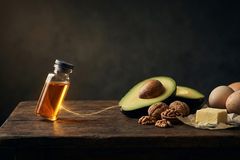
Ketogenic diet and cholesterol: why “healthy” eating sends your blood fats soaring — and what to do about it
A low-carbohydrate diet improves metabolic markers (triglycerides, HDL, insulin), yet in some lean individuals (the LMHR phenotype) it paradoxically pushes LDL cholesterol to extreme levels. The article examines the metabolic mechanisms behind this phenomenon, the controversial studies tracking atherosclerosis in LMHR subjects, and the conflict between conventional cardiology (LDL = causal risk) and the hypothesis that diet-induced LDL in metabolically healthy people may not be harmful.
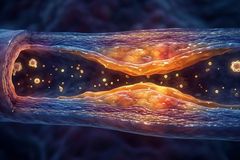
The Invisible Arsonist: How Fructose, Cholesterol, and Inflammation Together Destroy Our Arteries
The article analyzes how fructose, cholesterol, and inflammation jointly contribute to the hardening of the arteries. Drawing on a range of studies, it explains that fructose not only raises the level of atherogenic lipoproteins in the blood, but at the same time damages the vascular wall through oxidative stress, a loss of nitric oxide, and chronic inflammation. The scientific consensus shows that atherosclerosis is not caused by any single factor, but by the convergence of the lipid and vascular axes, with fructose from added sugars acting as a powerful accelerator of the entire process.

The Korean Paradox: Why Pork Belly Doesn't Kill You, but Cola Does
The article explains why Koreans, despite their high consumption of fatty pork belly, have significantly lower circulatory mortality and obesity than Czechs. The key is their low intake of fructose and sweetened drinks — new studies from 2024–2025 have revealed that fructose causes fatty liver via two independent mechanisms (classic de novo lipogenesis and the newly discovered follistatin pathway), with the combination of high fat and high fructose being the most metabolically dangerous.

The World's Most Widespread Drug: What Do We Actually Know About Caffeine
A comprehensive scientific overview of caffeine covering its pharmacokinetics, mechanism of action (blockade of adenosine receptors), genetic differences in metabolism (CYP1A2), the dependence potential recognized in DSM-5, paradoxically favorable cardiovascular epidemiological data, and quantified performance benefits in sport (3–6 mg/kg). The article debunks the dehydration myth and explains the history of caffeine's ban and its subsequent removal from WADA's list of prohibited doping substances.
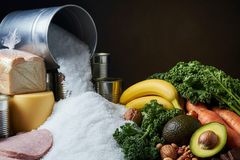
The Salt Trap: How Industry Inverted Our Body's Mineral Balance
The article analyzes the problem of excessive salt intake in the modern diet, where the average Czech consumes three times the WHO recommended amount, with 75–80% of sodium coming from processed foods. It examines the scientific evidence on the health risks of excess sodium and deficiency of potassium and magnesium, including key studies such as SSaSS, and exposes the lobbying strategies of the salt industry, which systematically casts doubt on regulation much as the sugar and tobacco industries did before it.

Fructose: The Fuel That Bypasses Every Brake
The article describes in detail the biochemistry of fructose and its metabolic effects on the human body. It explains how the intestinal barrier can handle small doses of fructose from whole fruit, but at higher doses from juices and processed foods, fructose overloads the liver, where—lacking any feedback control—it triggers fat production, depletes ATP, raises uric acid, and disrupts the intestinal barrier. It summarizes the latest research from 2025, including the discovery of a metabolic pathway that fructose shares with alcohol and new potential therapeutic approaches to MASLD.

Canaries in the Kitchen: What We Know About Teflon Safety in 2025
The article summarizes the current scientific knowledge on the safety of Teflon (PTFE) in kitchen cookware. It describes the risks of overheating Teflon pans, which release toxic fumes lethal to birds and harmful to humans, the classification of PFOA as a proven carcinogen, and the ongoing regulatory measures in both the EU and the USA. It offers an overview of safer alternatives including ceramic, cast iron, carbon steel, and titanium.
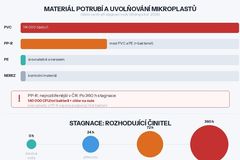
Microplastics in drinking water: a quarter million particles in every liter from a PET bottle
A 2024 Columbia University study found an average of 240,000 nanoplastic particles in every liter of bottled water from PET bottles — 700× more than older methods had shown. Particles smaller than a micrometer cross the intestinal wall into the bloodstream and have been found in blood, lungs, the placenta, and even the testicles. The article examines both the study's methodological controversies and the still-unknown health effects of nanoplastics.

Dumplings Aren't the Enemy: Why Pasta Isn't Necessarily Healthier
The article debunks the widespread nutritional myth that pasta is automatically healthier than dumplings. While the textbook glycemic index favors durum wheat spaghetti, in real Czech conditions — where dumplings are bought pre-made and reheated — starch retrogradation occurs, lowering the glycemic response and creating beneficial resistant starch that feeds gut bacteria.
How Much Aluminium We Eat Without Knowing It
The article examines in detail the three main sources of aluminium in the human diet: its natural presence in foods (tea, spices, cereals), its leaching from aluminium foil and aluminium cookware on contact with acidic foods and at high temperatures, and food additives (E-numbers). Drawing on more than 50 peer-reviewed studies and EFSA opinions, it shows that a substantial part of the population — especially children and infants — likely exceeds the safe limit of 1 mg per kg of body weight per week without being aware of it.
Preservatives Won't Guard Your Fridge
The article explains how food preservatives (sorbates, benzoates, nitrites, sulfites) work and why they are not all-powerful — they gradually break down, and their decomposition products (nitrosamines, benzene) can be more harmful to health than the original substances. It points out untested combinations of additives and the paradox that without preservatives food would be more dangerous, while also referencing the EPIC study confirming the link between consumption of industrially processed foods and higher mortality. The practical recommendation is to consume food as soon as possible after production and to minimize the share of processed foods in one's diet.

How the Sugar Industry Stole Half a Century of Nutrition Science
The article reveals how the American Sugar Research Foundation secretly funded Harvard scientists in the 1960s to downplay the health risks of sugar and shift the blame onto fat in a landmark NEJM paper. This influence shaped nutritional guidelines for half a century, drove the low-fat, high-carbohydrate diet, and contributed to the epidemics of obesity, type 2 diabetes, and fatty liver disease. British scientist John Yudkin, who had correctly identified sugar as a risk factor back in the 1950s, was marginalized for his conclusions and only rehabilitated posthumously.
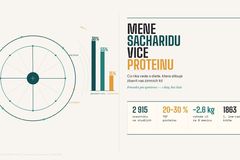
What Science Says About the Diet That Promises to Shed Your Winter Weight
The article offers a science-based overview of low-carb and high-protein diets for athletes who want to lose weight after winter. It examines the physiological mechanisms (the thermic effect of protein, satiety, stable blood glucose), cites recent meta-analyses, and notes that the initial advantage of low-carb diets evens out over the long term compared with other approaches. It includes a practical meal plan and specific recommendations for recreational cyclists, including targeted carbohydrate intake around workouts.